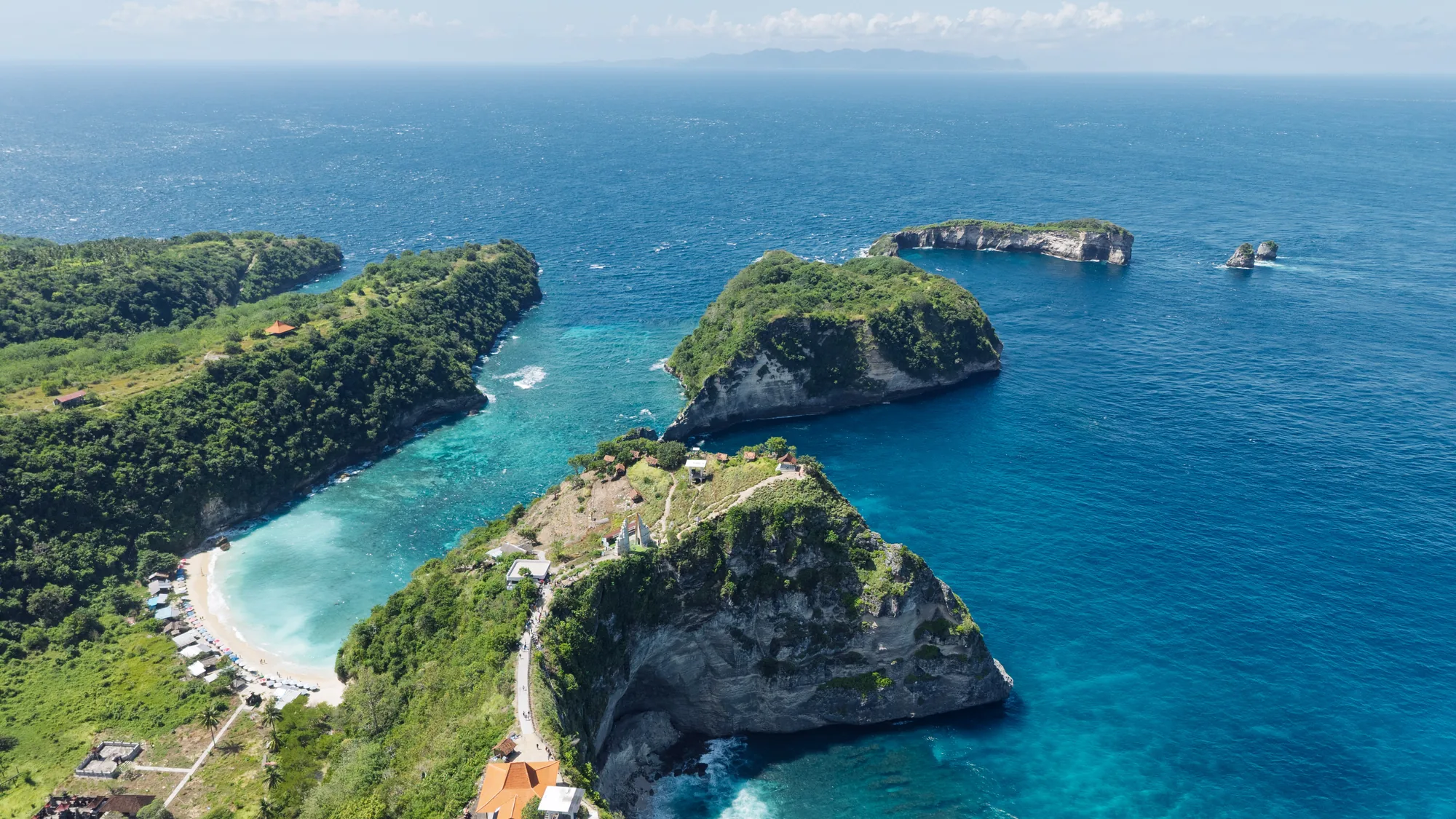
Comparison
North or south Bali: the Munduk highlands or the southern coast
The south has the airport, the beaches and most of the island’s rooms. The north, around Munduk, offers forests, lakes and waterfalls in the cool air, a long drive away. This comparison helps you decide whether to head up there, and for how many nights.
- Updated on
- 4 min read
- By Kylian Dev
In short
Facts as of · sourced figures
Choose the south for the sea, being close to the airport, restaurants and a short stay: Canggu, Seminyak, Uluwatu or Sanur. Choose the north, around Munduk, to walk in the cool between waterfalls and lakes, in peace. The north takes about 2 h 30 by road: keep it for stays of two weeks or more.
Contents
In short
- South: beaches, restaurants, nightlife, roughly 30 to 75 min from the airport.
- North: forests, lakes, waterfalls and cool nights around Munduk, about 2 h 30 by road.
- The north is not a day trip from the south: allow two to three nights.
- Drive the mountain road by day: bends, and mist in the afternoon.
Here, “the north” means the highlands of Munduk, the only northern region covered on this site; “the south” groups Canggu, Seminyak, Uluwatu and Sanur. The north coast, toward Pemuteran and Menjangan, is mentioned in the diving and snorkeling guide.
Verdict: who the north suits, who the south suits
The south suits short stays, families who want the sea, surfers and those who like going out at night. The north suits walkers, those escaping heat and crowds, and travelers touring the island. With one week, stay in the south and the center.
The south is the right base to swim, surf, eat out and stay close to the airport. Each base has its register: Sanur for a calm sea and families, Canggu for beginner surfing and cafés, Seminyak for town life on foot, Uluwatu for cliffs and reef waves.
The north is the right base to sleep in the cool, walk to waterfalls and see the Tamblingan and Buyan lakes at sunrise. It disappoints those who want to sunbathe, swim or go out, and tires those who do not cope well with bends.
Daily life: what you do there
In the north, you set off walking early, before the afternoon mist, then rest in the village or visit Ulun Danu Bratan temple at opening time. In the south, the day follows the sea: swimming, surfing, pool, sunset, restaurants. In the south the car is about dodging jams; in the north, about following bends.
| Criterion | North (Munduk) | South (Canggu, Seminyak, Uluwatu, Sanur) |
|---|---|---|
| Atmosphere | Mountains, quiet village, cool evenings | Seaside, lively, heavily built up |
| Beach | None in the highlands | Waves, coves or a sheltered sea, depending on the base |
| Culture | Lake temples, farming villages | Cliff and seaside temples |
| Families | Slippery steps to the waterfalls | Sanur, calm sea behind the reef |
| Remote work | Poorly suited | Canggu and its coworking spaces |
| Traffic | Winding mountain roads | Daily traffic jams |
| Best months | Less marked seasons, frequent afternoon mist | Dry season, roughly April to October |
| What people regret | The rain and the cool | The crowds and the concrete |
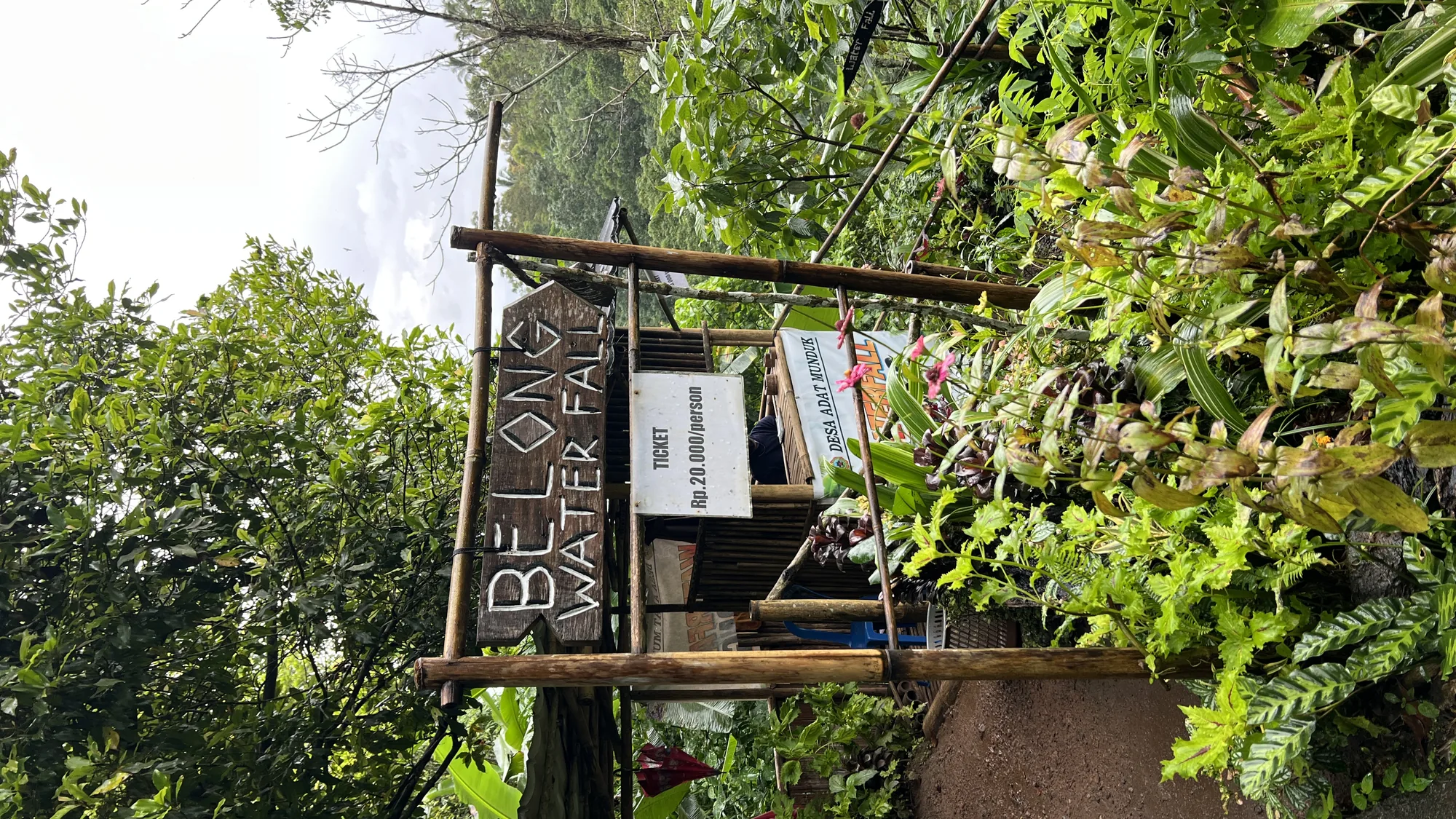
In the north, the waterfalls have to be earned on trails and slippery steps: closed shoes are essential. The trails are compared in hiking in Bali and the falls in Bali waterfalls.
Budget: what costs more, and why
The south costs more for accommodation and restaurants: demand there is the highest on the island, and the beach comes at a price. The north is gentler, with guesthouses, lodges and a few boutique hotels, but the drive up, often with a driver, weighs on the budget of a short stay.
- South: you pay for the beach, the ocean view and being close to restaurants.
- North: you mostly pay for the round trip, and the outings to Sekumpul or Jatiluwih.
- The item-by-item breakdown is in the Bali travel budget.
Getting there from the airport
The south is on the airport’s doorstep: about 30 to 40 min to Sanur, roughly 30 to 60 min to Seminyak, 45 to 60 min to Uluwatu, 45 to 75 min to Canggu. Munduk takes about 2 h 30, roughly 2 h 30 to 3 h according to the transfer page, on a mountain road not to be driven at night.
| Route | Time |
|---|---|
| Airport → Sanur | About 30 to 40 min |
| Airport → Canggu | About 45 to 75 min |
| Airport → Munduk | Roughly 2 h 30 to 3 h |
| Canggu → Munduk | Roughly 2 h 30 to 3 h |
The detail is on airport → Munduk and Canggu → Munduk. The 3-week itinerary loops around the island via the north.
The pitfalls we see travelers fall into
The most common pitfall is going north for a single night, or as a day trip from the south: the day is spent in the car. Then come arriving at night on the mountain road, packing only summer clothes for cool evenings, and expecting bright sunshine in the afternoon.
- Doing Munduk as a day trip from the south: sleep there two to three nights.
- Driving the mountain road at night, winding and often in the mist.
- Forgetting a warm layer and closed shoes.
- Arriving at Ulun Danu Bratan in the middle of the day: come at opening time.
Frequently asked questions
Is north Bali worth it for a one-week trip?
Rarely: the drive takes a good part of a day each way. Keep the north for two weeks or more.
Can you swim in the north?
Not in the Munduk highlands. The north coast exists, but this site does not yet cover it as a base.
Is it cold in Munduk?
The nights are cool and mist is frequent in the afternoon. Bring a warm layer.
Which southern base for a family?
Sanur: the sea is calm behind the reef, and the airport about 30 to 40 min away.
Sources
Figures and rules checked on October 27, 2026 against the sources below. Entry rules and fees change: always check them on the official websites before you leave.