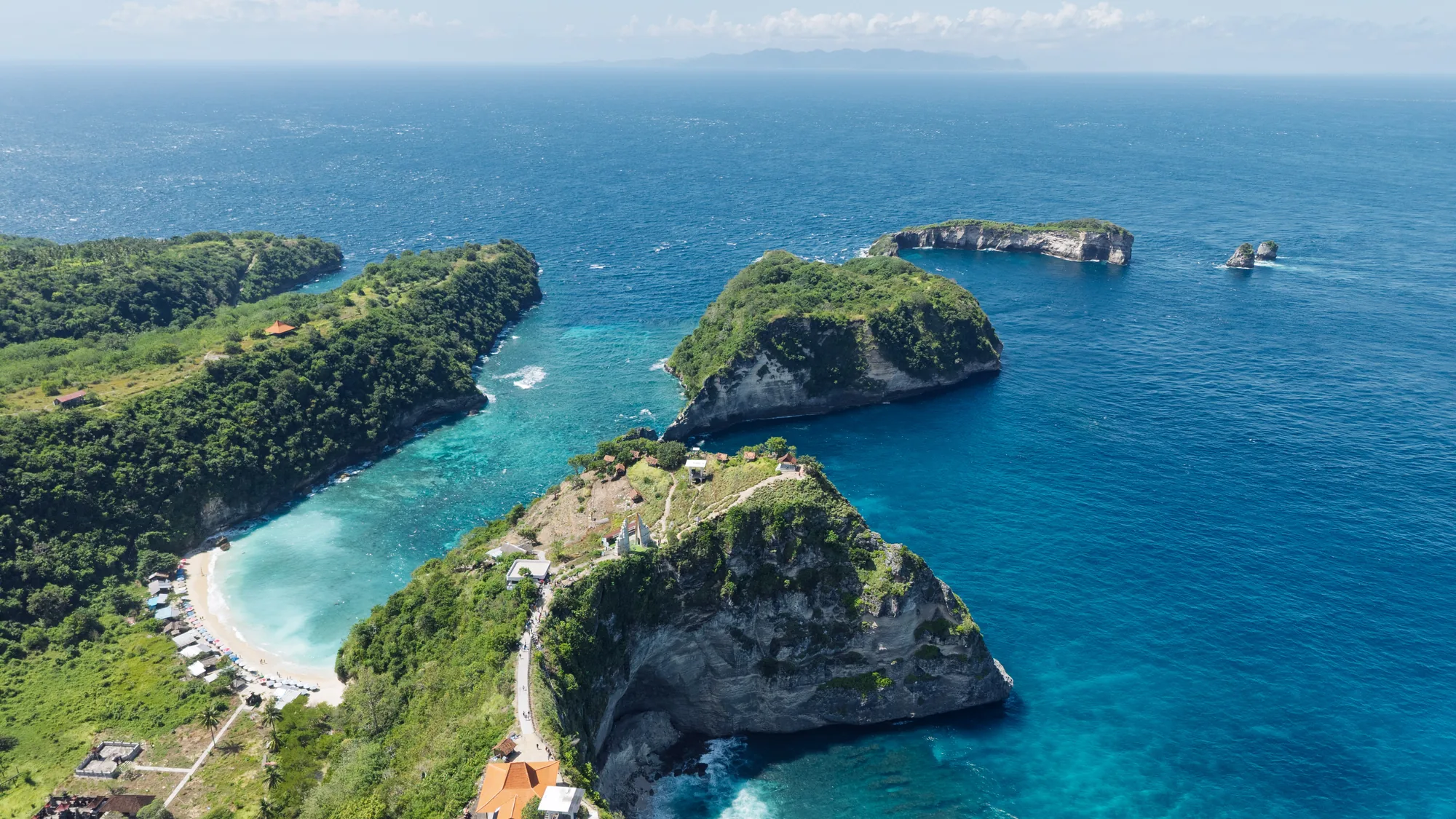
Place to see · Munduk
Tamblingan: the lake in the cloud forest
Tamblingan is the wildest of the highland lakes, ringed by forest, with no hotel on its shores. You walk a lakeside path, cross it by dugout canoe with a village guide, and pass the temple set at the water’s edge. At dawn, mist floats on the water: it is the most complete calm of the trip.
- Updated on
- 3 min read
- By Kylian Dev
In short
Facts as of · sourced figures
You follow the shore on a forest path, climb into a dugout canoe with a village guide, and stop at the Pura Ulun Danu Tamblingan temple, set at the water’s edge. Depending on the lake level, the temple stands in the water or on the bank. The rest is mist, birds and lapping water.
Contents
Key points
- Come at dawn: the mist on the water and the silence only last into the early morning.
- Canoe and guided walk with the village guides; prices announced on site.
- The Pura Ulun Danu Tamblingan temple is a place of worship: covered clothing, sarong.
- It is cool at altitude: a sweater and windbreaker, shoes for a muddy path.
Tamblingan is the smallest of the three lakes in the Bedugul caldera, along with Buyan and Bratan. Its shores are covered in protected forest and the nearby villages keep customary rights there: no building, little noise, fishermen in dugout canoes.
For other walks on the island, see hiking in Bali; to sleep on the ridge above the lake, Munduk.
What you do at Tamblingan
You follow the shore on a forest path, climb into a dugout canoe with a village guide, and stop at the Pura Ulun Danu Tamblingan temple, set at the water’s edge. Depending on the lake level, the temple stands in the water or on the bank. The rest is mist, birds and lapping water.
- The lakeshore path: flat, through forest, muddy in places; it links several small temples.
- The canoe: a slow crossing with a village guide, to the rhythm of the paddle.
- Pura Ulun Danu Tamblingan: the lake temple, an active place of worship, to be visited in covered clothing.
- The cloud forest: tree ferns, moss, mist rising from the lake.
Getting there from Munduk
The lake lies just east of Munduk, below the ridge road. You go down to the lakeside car park by scooter, with a driver, or on foot from the places to stay on the ridge. The road down is steep and narrow, so take it slowly.
- From Munduk, follow the ridge road east, above the lakes.
- Take the road that heads down to the Tamblingan shore.
- Park at the lakeside car park, near the temple entrance.
- Find a village guide for the canoe or the walk.
To reach Munduk: Ubud to Munduk or Amed to Munduk.
When to go
Dawn is the lake’s moment: mist resting on the water, low light and silence. During the morning the mist lifts and the lake clears. In the afternoon, clouds often settle on the highlands, with frequent showers in the rainy season.
| Time slot | Mist | Light | Note |
|---|---|---|---|
| Dawn | Resting on the water | Low, diffuse | The best time for the canoe |
| Morning | Lifting | Clear | A good time for the lakeshore walk |
| Afternoon | Low clouds | Grey | Frequent showers in the rainy season |
Season by season: see when to go to Bali.
What to pair it with
Start with Tamblingan at sunrise, then drive to Banyumala, a few kilometres along the lake road: a calm and complete morning. Sekumpul, further north, is best kept for another day. Bring a warm layer for dawn and shoes for the mud.
Frequently asked questions
Do you need a guide for the canoe?
Yes: canoe trips are done with the village guides, who know the lake and its temples. The price is announced on site.
Can you swim in the lake?
It is not the custom: the lake is sacred to the nearby villages and the water is cold. You explore it by canoe or on foot along the shore.
What should I wear?
A sweater or windbreaker, shoes for the mud, and covered clothing with a sarong to enter the temple.
Sources
Figures and rules checked on October 27, 2026 against the sources below. Entry rules and fees change: always check them on the official websites before you leave.